WHAT IS TRENDING, WHAT IT MEANS FOR YOUR ANATOMY, AND WHAT AUGMENTATION CAN ACTUALLY DO
Lip trends move fast. One year it is the barely-there natural pout. The next it is the structured, defined statement lip. If you have been on social media recently, you have likely seen terms like “petal lips,” “cupid’s bow,” and “soft almond” thrown around as aesthetic goals. But what do these trends actually mean in practice? And more importantly, what can augmentation realistically do for your specific lip shape?
Understanding current lip shape trends and how they translate to real augmentation outcomes is what separates a good result from a disappointing one. This guide breaks down the most talked-about lip shapes right now, what each one looks like, and what a qualified surgeon can do to move your lips toward that aesthetic.
WHY LIP TRENDS MATTER — AND WHERE THEY CAN MISLEAD YOU
Lip trends give people a visual language for what they want. That is useful. Walking into a consultation with a reference image of a petal lip or a cupid shape gives your surgeon something concrete to work with. The problem arises when people assume the trend will translate directly to their own anatomy.
A soft almond lip looks completely different on someone with naturally thin lips versus someone with full, rounded lips. A defined cupid’s bow is easier to achieve on someone who already has natural bow structure than on someone with a flat, undefined upper lip. The trend is the destination. Your lip anatomy determines the route, the timeline, and what is realistically possible.
A skilled surgeon will look at your current lip shape first and then assess how closely augmentation can bring you toward a trending aesthetic. In some cases, the result can closely match the trend. In others, a modified version of the trend will suit your anatomy better than the exact look you had in mind. That conversation is one you need to have before any treatment begins.

HEART-SHAPED LIPS: THE ROMANTIC STANDARD
What it looks like: A distinct, symmetrical Cupid’s bow on the upper lip paired with a full, rounded lower lip. The shape resembles a heart when the lips are slightly parted. This look reads as romantic, expressive, and feminine.
Who this works for: People who already have some natural bow definition have an easier path to this result. If your upper lip is flat or undefined, more work is needed to create the bow structure before adding volume.
What augmentation can do: Filler can be placed strategically along the Cupid’s bow to accentuate or create the peak. Lip border definition surgery can sharpen the bow structure. Volume in the lower lip balances the upper to complete the heart shape.
Consideration: True heart-shaped results require balance between the upper peak and lower fullness. Too much volume added to the upper lip without matching the lower lip creates an imbalanced result rather than a true heart shape.
PURSED LIPS: THE STRUCTURED, EDITORIAL LOOK
What it looks like: Defined, slightly compact lips that give the impression of natural pout. Associated with a structured, editorial aesthetic rather than a voluminous one. The shape is tight and deliberate.
Who this works for: People with naturally moderate fullness who want more shape and definition rather than outright volume.
What augmentation can do: This look is less about adding mass and more about refining borders. Subtle filler along the lip line creates the structured appearance. A surgeon may focus on lip border definition and minimal volume addition to achieve this aesthetic.
Consideration: Going too heavy on volume works against this shape. The pursed look depends on restraint. Over-filling destroys the aesthetic.
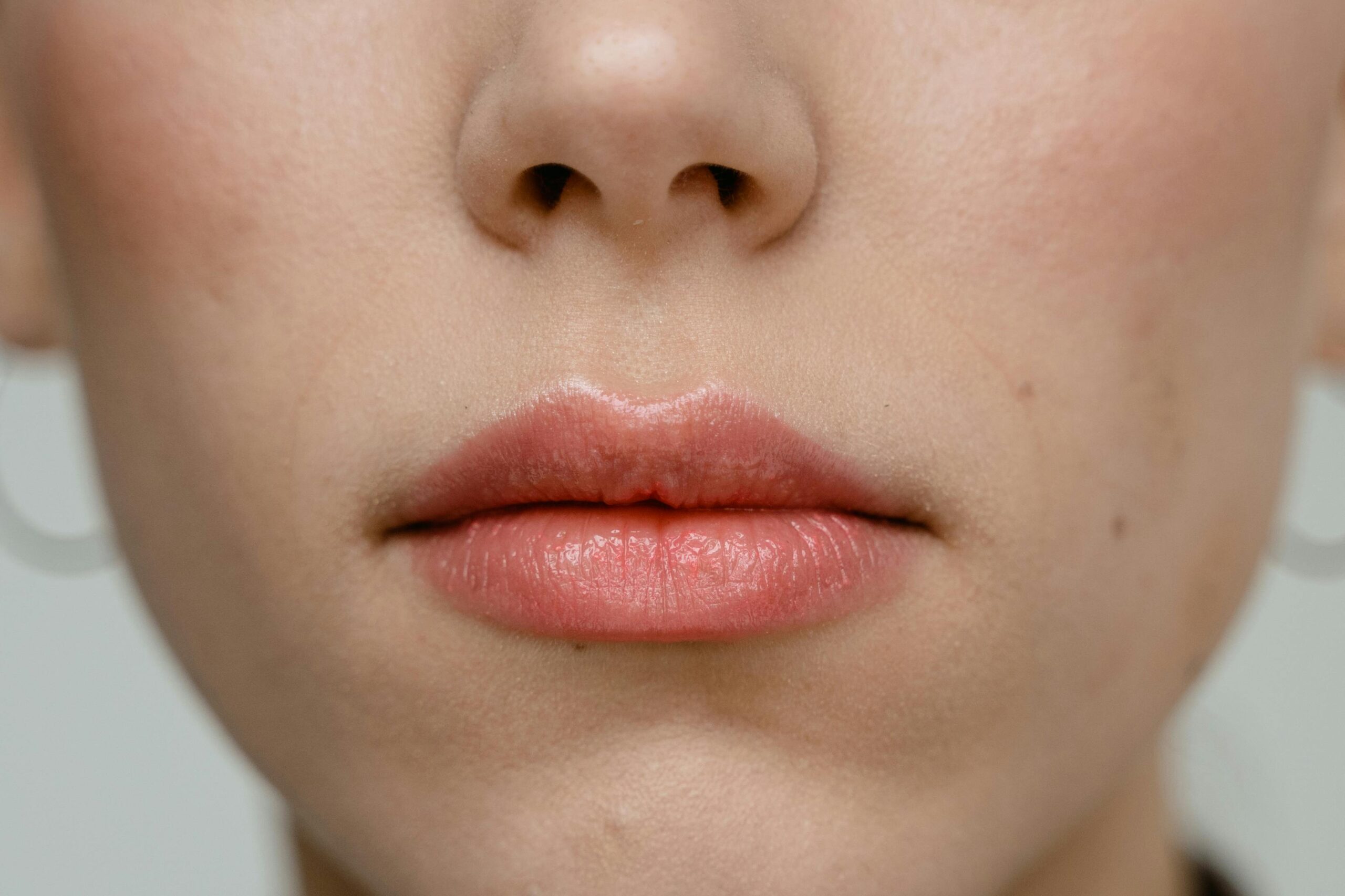

Asymmetrical Lips: BCUPID’S BOW LIPS: THE CLASSIC DEFINITION GOALalancing One-Sided Uneven Fullness
What it looks like: A sharply defined double peak on the upper lip. The Cupid’s bow is the architectural feature of the lip. This look is classic, precise, and timeless.
Who this works for: Those who already have some natural bow definition see the most dramatic improvements. Completely flat upper lips can achieve this look but require more structural work.
What augmentation can do: Filler placed at the peaks of the bow sharpens the double-peak definition. Surgical lip reshaping can create or enhance bow architecture permanently. This is one of the most achievable aesthetic goals in lip augmentation.
Consideration: The Cupid’s bow only looks right when the rest of the lip is proportional. A sharp bow on an otherwise undefined or flat lip creates an unnatural contrast. A surgeon will treat the bow in the context of the whole lip.
PETAL LIPS: THE SOFT, LAYERED LOOK
What it looks like: Lips that appear soft and layered, like petals. There is a gentle overlap or curve at the edges of the upper lip. The overall effect is delicate and dimensional rather than bold.
Who this works for: People with naturally soft lip texture tend to achieve this look more naturally. Those with thin or flat lips can work toward it, though the result will be more constructed.
What augmentation can do: Subtle volume in the outer corners of the upper lip creates the layered appearance. Strategic filler placement adds dimension without bulk. This is a nuanced result that depends heavily on technique.
Consideration: This is one of the more technique-dependent trending looks. A surgeon with experience creating dimensional rather than just voluminous results is essential here.
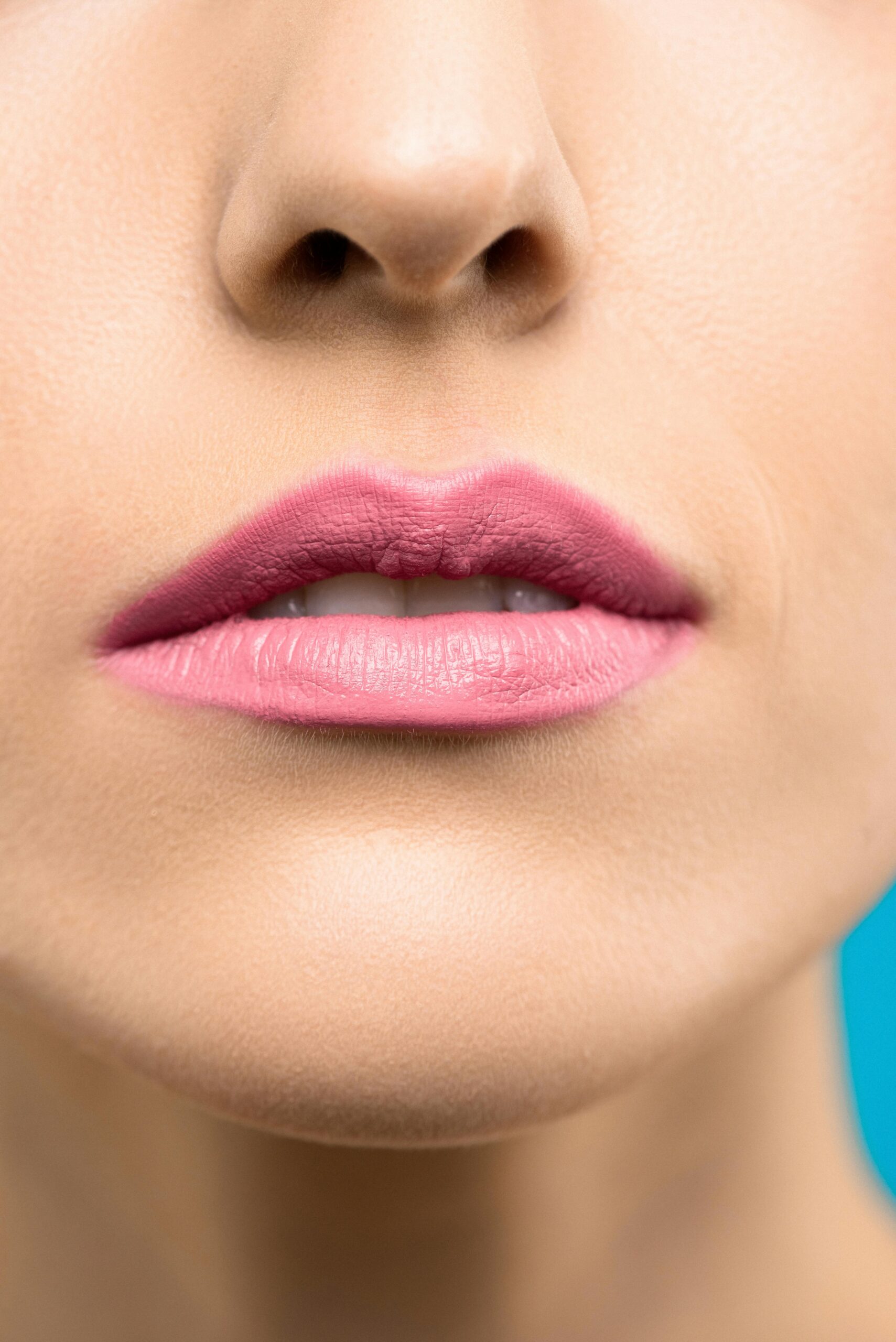
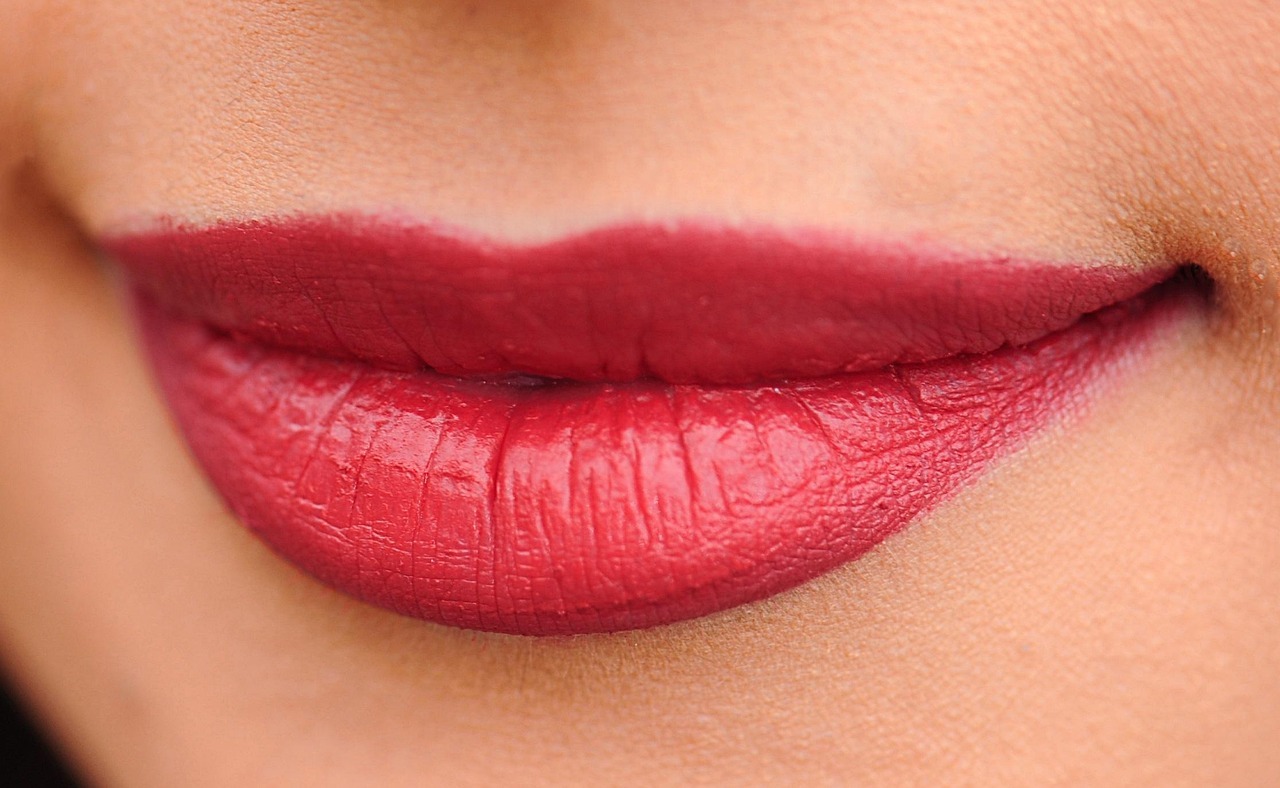
SMALL ROUND LIPS: THE DOLL-LIKE AESTHETIC
What it looks like: Compact, evenly rounded lips. The shape is symmetrical and contained. Associated with a youthful, doll-like appearance.
Who this works for: People with naturally small or petite lips who want to enhance without drastically increasing size. Also suits smaller facial features overall.
What augmentation can do: Volume is added evenly across the lip for a round, balanced result. Border definition keeps the shape contained. The goal is enhancement within a tight, round footprint rather than spreading outward.
Consideration: This look can easily tip into an unnatural appearance if volume is overdone. Restraint and proportion are everything. A surgeon who understands when to stop is more important here than one who pushes volume.
FULL ROUND LIPS: THE VOLUME-FORWARD LOOK
What this looks like: Upper lip forms a distinct peak in the center (sometimes called Cupid’s bow). The lower lip is fuller on the sides. This creates a romantic, defined look.
What is possible: Heart-shaped lips benefit from enhancement that emphasizes the natural peak. Adding subtle volume amplifies the romantic quality.
What it looks like: Maximum fullness with a rounded, even shape. Both upper and lower lip are voluminous. This is the boldest of the trending shapes and makes an immediate statement.
Who this works for: People with naturally fuller lips who want to amplify. Those with thin or flat lips can work toward this, but the degree of augmentation needed is significant and the risk of an overdone result increases.
What augmentation can do: Volume is added across both lips, with attention to even distribution. The goal is fullness without visible overfilling. This is achievable through filler or surgical lip advancement depending on how much volume is needed.
Consideration: Full round lips require excellent proportion management. If the volume increases the lips beyond what the surrounding facial structure can support, the result looks unnatural. A surgeon who frames the lip result within your overall facial proportions is essential.

TOP HEAVY LIPS: THE INVERTED PROPORTION
What it looks like: Upper lip is noticeably fuller than the lower. This is an unconventional proportion that has gained popularity as a more editorial, fashion-forward look. The standard proportion (upper lip slightly smaller than lower) is deliberately reversed.
Who this works for: People with naturally full upper lips or those who already have some upper lip structure to build on. It works better on certain face shapes than others.
What augmentation can do: Volume is concentrated in the upper lip, deliberately exceeding the lower lip’s fullness. This requires careful placement to avoid a puffy or unbalanced appearance.
Consideration: This look is polarizing. It reads as intentional on some faces and disproportionate on others. It also ages differently than a standard proportion. A surgeon should advise honestly on whether this proportion suits your face structure before proceeding.
M-SHAPE LIPS: THE STRUCTURED UPPER LIP
What it looks like: An upper lip with a pronounced M shape defined by two clear peaks and a dip in the center. Bolder and more graphic than a standard Cupid’s bow. This look makes the upper lip the focal point.
Who this works for: People with natural bow structure and a defined philtrum (the area between the nose and lip) achieve this more easily. It works well on faces with strong, angular features.
What augmentation can do: Filler placed precisely at the two upper peaks creates the M definition. Surgical lip reshaping can make this a permanent architectural feature. The dip in the center must remain defined or the shape collapses.
Consideration: The M shape is a statement. It reads well on some face shapes and can look overdone on others. A surgeon should assess whether your face structure supports this aesthetic before committing to it.
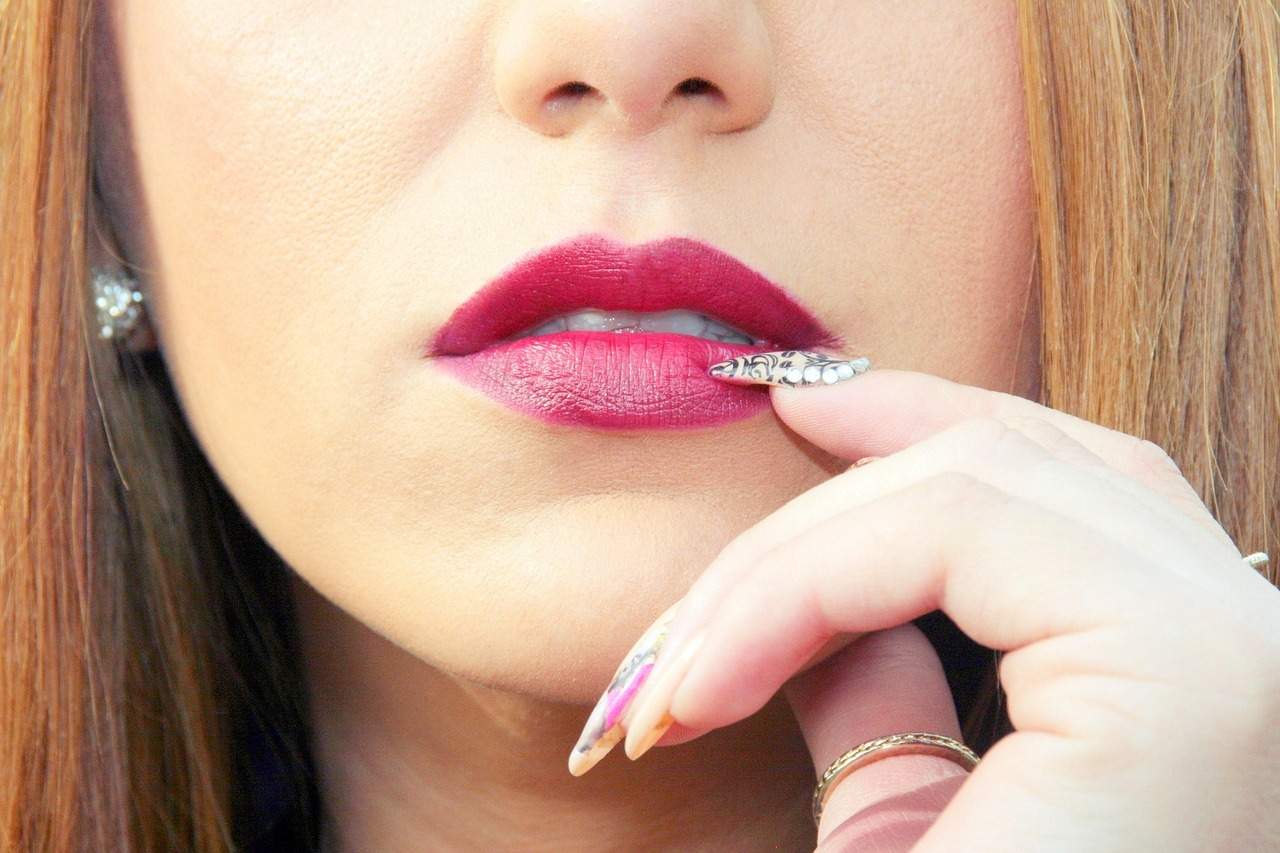
SOFT ALMOND / BALANCED LIPS: THE NATURAL ENHANCEMENT GOAL
What tWhat it looks like: Gently defined lips with a soft, almond-like contour when viewed straight on. Upper and lower lip are proportional (ideally a roughly 1:1.3 ratio, upper to lower). No single feature dominates. The result looks like naturally beautiful lips rather than obviously augmented ones.
Who this works for: Almost everyone. This is the most universally flattering lip shape and the most common augmentation goal for people who want to look enhanced without looking done.
What augmentation can do: This is about optimization rather than transformation. Volume is added where the lip lacks it. Definition is created where the border is soft. The overall result is a refined, balanced version of the patient’s existing lips.
Consideration: The soft almond result depends on a surgeon who understands restraint. The goal is to make your lips look like a better version of themselves. That requires skill and the confidence to stop before overdoing it.n work toward this, but the degree of augmentation needed is significant and the risk of an overdone result increases.
WHAT TREND RESEARCH SHOULD AND SHOULD NOT DO FOR YOU
Scroll through any beauty feed right now and you will find a new lip trend every other week. Petal lips. Cupid’s bow. Soft almond. M-shape. The vocabulary around lip aesthetics has never been richer — and for anyone considering augmentation, that can feel equal parts inspiring and overwhelming.
A trend image is almost always someone else’s anatomy. The lip shape you see on that person is a product of their natural structure, their augmentation history, their face shape, and their surgeon’s technique. Copying the image certainly does not guarantee copying the result.
Use trend research to identify what appeals to you aesthetically. Then use your consultation to understand which elements of that aesthetic are achievable for your specific anatomy and which need to be adapted.
A qualified surgeon will tell you honestly what is possible and what version of the trend will work best for your lips. That honesty is a feature, not a limitation.
CHOOSING THE RIGHT SURGEON FOR A TREND-INFORMED AUGMENTATION
Trend-informed augmentation requires a surgeon who understands both the current aesthetic landscape and the anatomy in front of them. They need to know what the petal lip trend looks like and whether your lips can achieve it. They also need to know when to adapt the goal.
What to look for:
- Before-and-after gallery showing diverse lip shapes and natural-looking results
- Surgeon who discusses your anatomy alongside your aesthetic goals
- Clear communication about what is and is not achievable for your specific lips
- Experience with both filler and surgical techniques
- Results that look like the patient’s own lips, improved — not a template applied across every face
Red flags:
- Every patient in the gallery looks like the same lip shape
- Surgeon who agrees to any request without anatomical discussion
- Results that clearly prioritize trend over individual suitability
- Pressure to choose a specific shape without assessing your structure
LIP AUGMENTATION COST: VIETNAM VS. USA
Vietnam: $200–1,000 depending on complexity and technique
USA: $800–5,000+ depending on complexity and technique
For trend-specific augmentation requiring nuanced technique, the surgeon’s skill matters far more than the location. Vietnam offers access to highly experienced surgeons at significantly lower cost, making it a practical option for patients who do research and choose carefully.
Lip trends give you a direction. Your anatomy gives you a starting point. A skilled surgeon bridges the two.
Whether you are drawn to the soft romance of heart-shaped lips, the editorial structure of the M shape, or the universally flattering soft almond look, the path to getting there starts with an honest assessment of what your lips are capable of. That conversation, between you and a qualified surgeon who takes your anatomy seriously, is where good results begin.
If you are considering augmentation and are based in or traveling to Vietnam, East Bridge Care provides concierge support for the full process. Talk to us about connecting you with the right surgeon for the look you are after.
Your lip shape determines what augmentation can realistically achieve. A thin-lipped person will see dramatic results from the same procedure that creates subtle improvement for someone with naturally full lips. Understanding your lip shape and what a qualified surgeon can do to enhance it is the first step toward lip augmentation results you actually want.
The surgeon matters more than the location. A skilled surgeon who understands your specific lip anatomy will create results that suit you. A mediocre surgeon will create obvious, overdone lips regardless of where they practice.
Whether you are considering temporary filler to test fuller lips or permanent lip advancement surgery, start with clear communication about your specific lip shape and realistic expectations for enhancement.

Disclaimer: This article is for informational purposes only and does not constitute medical advice. Always consult a qualified medical professional before undergoing any surgical procedure.
Thinking of a New Pout?
Providing comprehensive recovery support for patients undergoing surgery in Vietnam, let us manage the logistics and coordination of this exciting journey. If you have surgery booked or are close to confirming, talk to us.
RELATED POSTS
Endoscopic Facelift in Vietnam: Complete Guide to Cost, Benefits & Recovery
Lip Augmentation by Lip Shape: What Different Lip Shapes Need and Whats Possible with Surgery
Lip Augmentation by Lip ShapeWhat Different Lip Shapes Need and Whats Possible with Surgery Lips are one of the most defining features of your face. Yet most people considering lip augmentation have no framework for…

Rhinoplasty in Vietnam vs. USA: Price, Recovery Time, and Results Compared
Price, Recovery Time, and Results ComparedRhinoplasty in Vietnam vs. USA Rhinoplasty is one of the most common cosmetic procedures in the world, and one of the most commonly compared across borders. If you’re considering a…