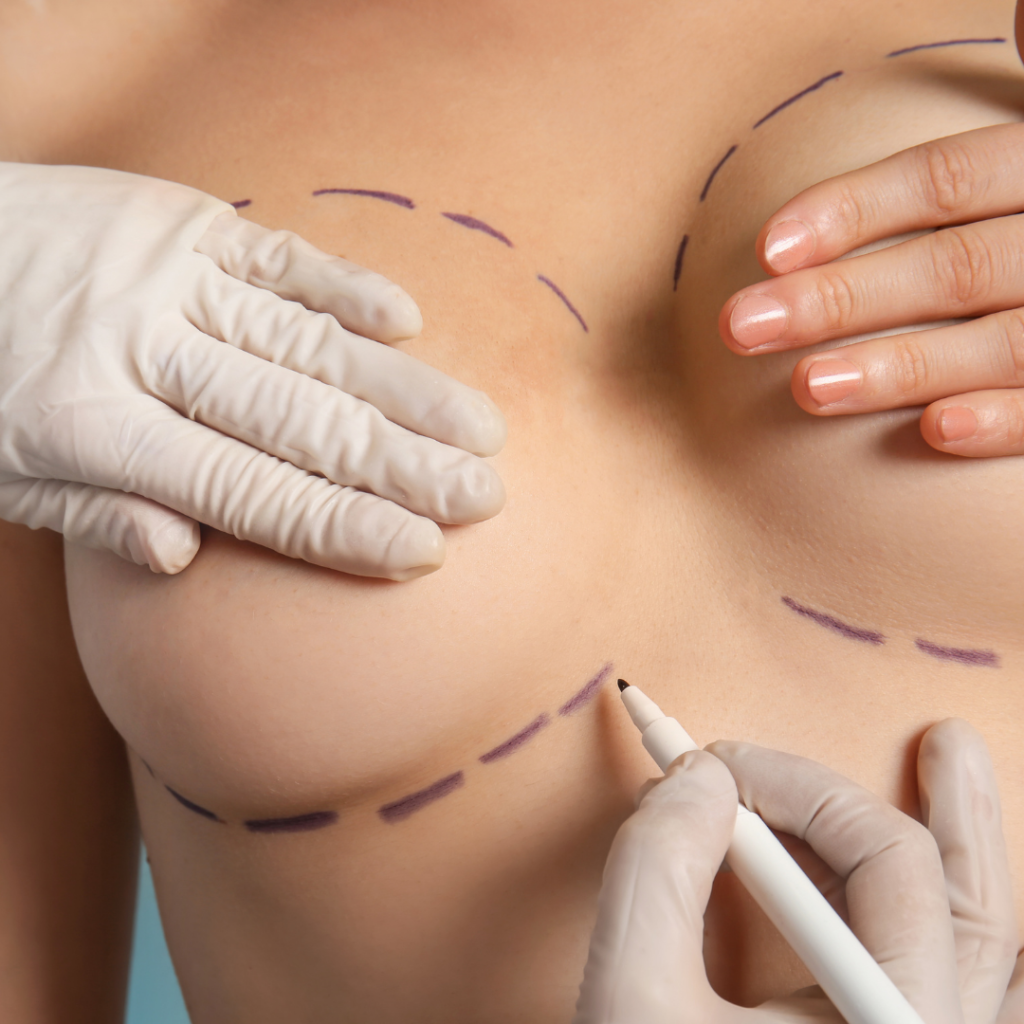
What Body Contouring with Fat Grafting Actually Is
Body contouring in Vietnam has moved past the discount surgery reputation it carried a decade ago. Surgeons in Ho Chi Minh City and Hanoi now train to international standards, operate in facilities built for medical tourism, and handle complex fat grafting cases that combine liposuction with targeted volume placement across the abdomen, flanks, thighs, arms, and buttocks. The difference from a pure BBL comes down to emphasis. A BBL moves fat to create projection. Body contouring with fat grafting uses the same biological process to reshape proportion across multiple areas, refining the overall silhouette rather than amplifying one feature.
Fat grafting works by harvesting fat cells through liposuction, processing them, and reinjecting them where volume or shape correction is needed. The cells that survive transfer and integrate into surrounding tissue produce results that hold long term. Survival rates depend on surgical technique, particularly how gently the fat is handled during extraction and processing, and how well you protect the grafted areas during recovery. That last part is where most people underestimate what the weeks after surgery demand. What you do between the operating table and the six-month mark, when fat survival settles, shapes your outcome more than most people expect going in.
Why Vietnam Makes Sense for This Procedure
Vietnam draws serious candidates for this procedure for reasons that hold up under scrutiny. Cost is the most direct. A full body contouring procedure with fat grafting in Vietnam typically runs between a third and half the price of the same procedure in the United States, even after you account for flights and accommodation. Surgeons at accredited private facilities carry case volumes that many Western counterparts do not, which matters for procedures that are as much art as technique. Wait times are shorter. The infrastructure for medical tourism, private hospitals, English-speaking coordinators, and post-operative care facilities, has developed to meet real demand.
Compared to neighboring countries, Vietnam sits in a specific position. Thailand has a longer-established medical tourism industry and strong name recognition, but pricing has risen and the cost advantage has narrowed. South Korea leads in facial and skin work but focuses less on body contouring volume. Malaysia offers competitive pricing with solid facility standards but fewer surgeons who specialize in the sculpting approach that fat grafting requires. Vietnam’s combination of surgical skill, volume, and cost makes it the stronger choice for this procedure category right now.
What Recovery Actually Demands
What changes when you book surgery in Vietnam is that the procedure is only one part of what you are managing. The weeks surrounding it involve compression garment schedules, lymphatic drainage sessions, wound checks, dietary adjustments, sleep positioning, and day-to-day decisions that are straightforward at home and genuinely difficult in an unfamiliar city. Transport to follow-up appointments, access to the right food, knowing where to go if something feels off, these are not dramatic problems but they compound when you are tired, sore, and operating in a place where you do not know the systems.
That is the gap a concierge recovery service fills. Accommodation suited to post-operative needs, transport that accounts for your mobility, coordination with your surgical team, access to aftercare services like lymphatic drainage, and a point of contact who knows the local medical landscape if a question comes up. Patients who arrive with surgery booked but recovery unplanned spend the first days solving logistics that cut into rest time. Rest is not optional after fat grafting. Pressure on grafted areas, poor sleep positioning, and physical stress in the first two weeks directly affect how much of your result holds. Having support structured around that window, rather than assembled after you land, is the practical difference between a recovery that protects your result and one that works against it.

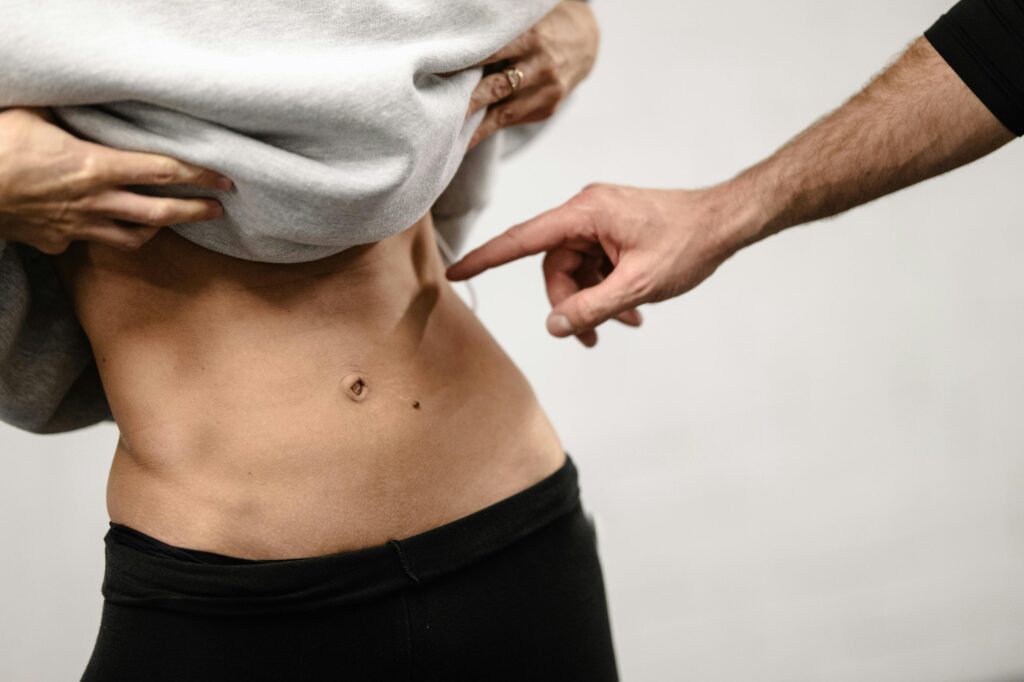
Why Managed Recovery Changes Your Result
Most patients focus on choosing the right surgeon. Fewer think carefully about what happens after they leave the clinic. For fat grafting specifically, that gap matters more than it does for most procedures.
Fat transfer results are not fully fixed at the time of surgery. The grafted fat needs to establish a blood supply in its new location. What you do — and what you avoid — in the two to three weeks after your procedure directly influences how much of that fat survives. Compression garment compliance, sleep position, activity levels, lymphatic drainage timing, and nutrition all have measurable effects on your final outcome.
The problem with unmanaged recovery is not that patients are careless. It is that solving logistics while physically depleted leads to shortcuts. A difficult transfer to a follow-up appointment becomes a skipped appointment. The wrong sleeping arrangement means pressure on grafted areas night after night. Fatigue leads to poor dietary choices that slow healing.
Managed recovery removes those friction points. When transport, accommodation, aftercare sessions, and clinical coordination are handled as a package, patients can direct their energy toward the one thing that actually determines their result: rest and compliance. The difference shows up not in how the first week feels, but in what you see at three months.
Disclaimer: This article is for informational purposes only and does not constitute medical advice. Always consult a qualified medical professional before undergoing any surgical procedure.
Let Us Help
Providing comprehensive recovery support for patients undergoing surgery in Vietnam, let us manage the logistics and coordination that surround your procedure so your focus stays on healing. If you have surgery booked or are close to confirming, talk to us.
RELATED POSTS
Breast Augmentation in Vietnam vs. USA: Cost, Implant Options, and Recovery Compared
Breast Augmentation in Vietnam | Same Procedure at a Fraction of the Costs (Including Travel & Room) Breast augmentation is one of the most performed cosmetic procedures globally. Thousands of American women have it done…