Why BBL in Vietnam Makes Sense Abroad
Let’s be direct about the math. A Brazilian butt lift in the US requires liposuction from multiple body areas (abdomen, flanks, back, thighs) and then reinjection of that fat into the buttocks. The procedure takes 4-6 hours and involves significant operative time.
In the US, that 4-6 hours of surgical time costs money at every level: surgeon fees, facility costs, anesthesia, nursing staff. A surgeon performing a BBL in New York or Los Angeles is operating in a facility with $3,000-$5,000 per hour overhead costs. In Vietnam, that same facility overhead is $400-$800 per hour.
The surgeon’s actual skill doesn’t cost less—an experienced BBL surgeon in Vietnam trained the same way, studied the same anatomy, and has years of experience. What costs less is the facility, the staff, and the infrastructure.
For a patient, this means: You get an equally skilled surgeon, an accredited facility, proper anesthesia, and comprehensive post-op care—for roughly 60% of what you’d pay in the US.
Every year, tens of thousands of Americans have Brazilian butt lifts (BBL). It’s the fastest-growing cosmetic procedure in the country. Yet most people have no idea how dramatically the experience—and cost—differs between having one in the US versus Vietnam.
A BBL in the United States costs $8,000 to $15,000. In Vietnam, it’s $3,500 to $5,500. That’s roughly 60% less. But cost is only part of the story. The real question is: is the quality equivalent? And what do you actually need to know before committing to surgery abroad?
What Is a BBL, and Why Does It Matter Where You Have It?
A Brazilian butt lift is not an implant procedure. It’s a fat transfer surgery — fat is liposuctioned from areas like the abdomen, flanks, or thighs, processed, and then injected into the buttocks to add volume and reshape the contour. Because the result depends entirely on how much of that transferred fat survives, the technique matters enormously.
That’s why, when patients ask whether Vietnam is a good place to have a BBL, the more useful question is: have you found a qualified surgeon in Vietnam whose results you trust? The country doesn’t perform the surgery — the surgeon does.
Why Vietnam? The Cost Case
Vietnam has become a genuine destination for cosmetic surgery, not just a cheap alternative. Cities like Ho Chi Minh City have internationally trained plastic surgeons, modern accredited facilities, and a growing track record of treating international patients. The cost difference, compared to the United States or Australia, is significant.
In the US, a BBL typically costs between $8,000 and $15,000 for surgery alone — before facility fees, anesthesia, or pre-op consultations are factored in. In Vietnam, all-in surgical packages run between $3,500 and $5,500, usually including anesthesia, facility, pre-op consultations, and post-op care for the first two weeks. When you add round-trip airfare ($800–$1,500), two weeks of accommodation ($700–$1,400), meals, and ground transportation, the grand total for the entire trip typically lands between $6,100 and $10,500. Even accounting for the full cost of travel, most patients save between $2,000 and $8,000 compared to having the procedure done at home.
Those aren’t marginal savings. For many patients, the math is what makes the procedure financially possible at all.
The Medical Tourism Logistics: What BBL Recovery Actually Demands
BBL is one of the more logistically demanding procedures to have abroad, because the recovery is strict and non-negotiable. The fat that’s been transferred is fragile in the first several weeks — pressure on the buttocks, whether from sitting or lying directly on the area, can kill the grafted fat cells and reduce your final result. Surgeons are not exaggerating when they tell you not to sit. This restriction is real, and it shapes everything about how your trip needs to be planned.
Most patients arrive in Vietnam two to three days before surgery to settle in, complete pre-op appointments, and recover from jet lag. Surgery itself takes four to six hours. For the first three days post-op, patients typically stay in a recovery facility with nursing support — not a hotel. You will not be able to sit, and you’ll need help that a standard hotel cannot provide. From days four through seven, recovery continues at the facility, with very limited activity permitted. By days eight through fourteen, most patients can transition to a hotel, though sitting restrictions remain in place and activity is still limited. Most patients fly home after two to three weeks, then continue the recovery protocol at home for weeks four through twelve — a gradual return to normal activity, with full results visible at the three-month mark.
The critical logistical point: you cannot manage BBL recovery alone. You’ll either need to stay in a facility with nursing support for the first phase — which is the recommended approach — or have a trusted companion with you throughout. If you’re planning this trip, plan for two people, or plan for a recovery facility that handles it for you. Attempting to manage the early recovery in a hotel room solo is genuinely not realistic.
Choosing a Surgeon: The Only Factor That Actually Matters
This is where the conversation has to shift. Location is logistics. Surgeon selection is outcome.
The top BBL surgeons in Vietnam share common characteristics regardless of which clinic they work from. They have an extensive before-and-after portfolio showing results at twelve months or beyond — not just immediately post-op. They hold board certification in plastic surgery or an equivalent internationally recognized credential. They have specific training in fat grafting, not just general plastic surgery experience. They’ve performed more than one hundred BBL procedures specifically, and they communicate clearly about realistic outcomes rather than overselling what the surgery can achieve.
Before committing to any surgeon, reviewing how to properly vet cosmetic surgeons in Vietnam is worth the time. The process of checking credentials from abroad, evaluating portfolios critically, and asking the right questions during a consultation is a skill in itself — and getting it right is the single most important thing you can do to protect your outcome.
There are also clear red flags to watch for. Surgeons who promise unrealistic volume, dramatic before-and-afters that look more edited than surgical, or clinics that can’t produce detailed long-term photos should be disqualifying. Similarly, surgeons who offer BBL as one of twenty procedures on a general menu — without demonstrated specialization in fat grafting — are not your best option for a procedure this technique-dependent. Any clinic that can’t articulate a clear post-op protocol and follow-up plan before you book is not a clinic you should trust with this surgery.
The Real Safety Question: Fat Grafting Success
The biggest concern with BBL surgery—whether in the US or Vietnam—isn’t the surgery itself. It’s fat graft survival.
When a surgeon injects fat into the buttocks, not all of it survives. On average, 40-60% of the injected fat survives in the hands of a skilled surgeon. The rest is reabsorbed by the body. This is true everywhere. It’s not a Vietnam-specific issue.
What affects fat survival rates:
- Surgeon technique (how the fat is harvested, processed, and injected)
- Patient behavior post-op (how strictly you follow activity restrictions)
- The quality of your own fat (some people’s fat grafts better than others)
- How much fat was injected (more aggressive injections have lower survival rates)
A skilled BBL surgeon in Vietnam will have the same fat survival rates as a skilled BBL surgeon in the US. A careless surgeon in either country will have poor results.
Surgeons who specialize in BBL procedures understand how to harvest fat with minimal trauma, process it correctly, and inject it at the right depth and density to maximize survival. This is not a procedure where experience is optional. It’s a procedure where experience is the difference between a transformative result and a disappointing one.
The key: verify the surgeon’s before-and-after portfolio. Ask specifically about their fat survival rates and what their patients results look like 6-12 months post-op. You’ll want to see sustained results.
Protecting Yourself: Insurance and What It Covers
One practical area that often gets overlooked in the excitement of planning is insurance for surgery abroad. Standard travel insurance typically excludes elective cosmetic procedures — meaning if something goes wrong, you may be covering costs out of pocket. Some specialist medical travel insurance policies do provide coverage for complications arising from elective surgery, and understanding what you have and what you don’t before you fly is essential. It’s not pessimistic planning — it’s responsible planning.
Is a BBL in Vietnam the Right Decision for You?
The honest answer depends on what you’re weighing. If significant cost savings matter to you, if you’ve done the research to find a surgeon whose results you genuinely trust, and if you can take three to four weeks away from work and home responsibilities, Vietnam is a legitimate option. The procedure is the same. The recovery is the same. The fat graft survival rates are the same. What changes is cost and geography.
If cost isn’t the primary driver, if you want your surgeon close to home during recovery, or if your personal healthcare situation makes international travel complicated, having the procedure done domestically makes more sense. Neither choice is wrong. The wrong choice is making it without the full picture.
The surgeon matters more than the location. A skilled, experienced BBL specialist will deliver natural, proportional, lasting results whether they’re in Miami, Sydney, or Ho Chi Minh City. Build your decision around credentials, portfolio, and experience — not around a flag on a map.

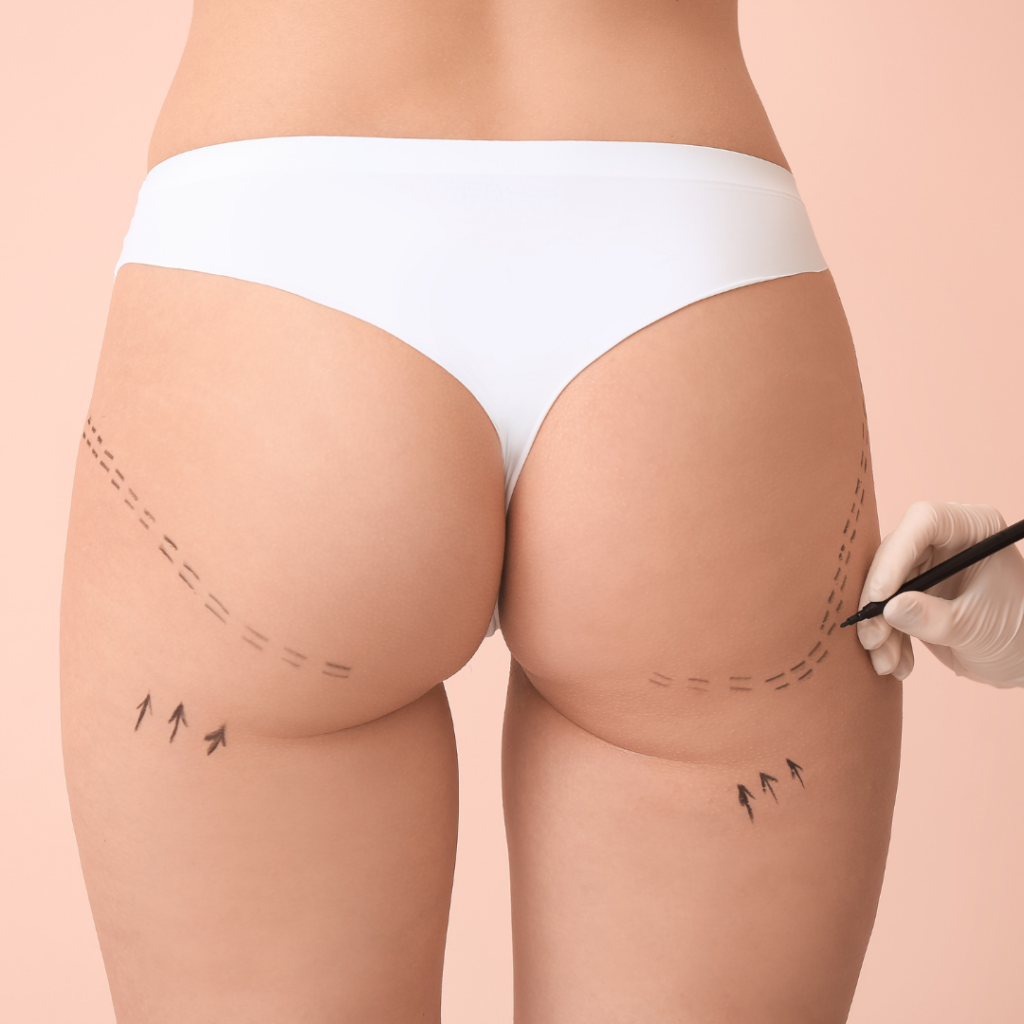
The Recovery Reality: BBL Requires Discipline
BBL recovery is demanding. More demanding than most other cosmetic procedures. And this doesn’t change based on geography.
For 2 weeks post-op, you cannot sit normally. You cannot put pressure on your buttocks. This is non-negotiable. Sitting on your BBL before it’s healed can destroy the graft.
You’ll need:
- A special cushion or pillow to sit on (BBL-specific)
- Someone to help you with basic tasks
- Clear understanding that you cannot work a desk job for 2-3 weeks
- Ability to sleep on your stomach or side (not your back)
- Strict restrictions on bending, lifting, and strenuous activity for 4-6 weeks
This recovery period is identical in Vietnam and the US. The difference is: in Vietnam, most clinics have recovery facilities where nurses help manage the post-op period. In the US, you manage it at home or a hotel.
For international patients, this is actually an advantage. You stay in a recovery facility for 1-2 weeks post-op with medical staff present, then fly home when you’re cleared. When you return home, you can manage the later stages of recovery (weeks 3-6) with less medical supervision, which you can do anywhere.
Disclaimer: This article is for informational purposes only and does not constitute medical advice. Always consult a qualified medical professional before undergoing any surgical procedure.
Let Us Help
Remove the complexity from your BBL journey by utilizing a customized luxury concierge service. From arrival to final recovery in a world-class heritage destination, our personalized support ensures your transition to wellness is as stress-free as it is cost-effective.
RELATED POSTS
Why a Medical Tourism Concierge Changes Everything
You Found an Amazing Surgeon in Vietnam. Now What? Why a Medical Tourism Concierge Changes Everything Let’s say you’ve done your homework. You’ve watched the before-and-after videos, read the reviews, cross-referenced the credentials, and landed…
The Complete Guide For Travelers Getting Surgery Abroad Solo

Vietnam vs Thailand for Cosmetic Surgery: An Honest Comparison