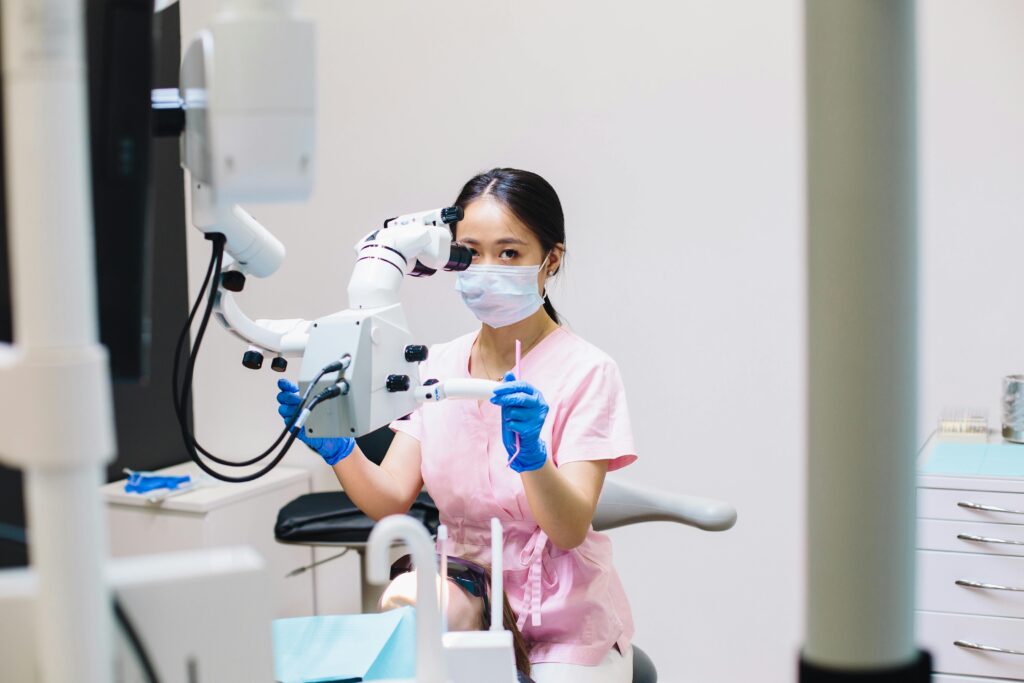
Missing teeth can significantly impact your quality of life, from affecting your smile to compromising your ability to chew properly. While dental implants are the gold standard for replacing missing teeth, not everyone has the necessary jawbone structure to support them immediately. This is where bone grafting for dental implants becomes a critical step in the treatment process. In Vietnam, this procedure has gained popularity due to its affordability, high-quality care, and advanced dental technology. Whether you’re a local or an international patient, understanding the role of bone grafting is essential for achieving successful and long-lasting dental implants.
What Is Bone Grafting for Dental Implants?
Bone grafting is a surgical procedure that involves adding bone tissue to the jaw to enhance its volume and density. This is crucial for patients who have experienced significant bone loss due to prolonged tooth absence, trauma, or periodontal disease. By reinforcing the jawbone, the procedure ensures that dental implants can be securely placed, reducing the risk of failure. In Vietnam, bone grafting is a common preparatory step for dental implants, with clinics offering a range of options tailored to individual needs.
The procedure typically involves harvesting bone material from another part of the patient’s body, using donor bone, or employing synthetic alternatives. Each method has its advantages, and the choice depends on the patient’s specific condition and treatment plan. In Vietnam, surgeons often use xenografts (animal-derived bone) or synthetic materials, which are both safe and effective. These materials integrate with the natural bone over time, creating a strong and stable base for implants.
Why Do You Need a Bone Graft Before Dental Implants?
Not all patients require bone grafting before dental implants, but it is a common necessity for those with insufficient jawbone structure. Without adequate bone, implants may fail due to lack of support, leading to complications or the need for additional procedures. Common reasons for bone grafting include long-term tooth loss, gum disease, trauma, or natural thinness of the jawbone. Addressing these issues through grafting ensures a higher success rate for implants and improves long-term oral health.
When a tooth is missing, the surrounding bone begins to atrophy due to the absence of the tooth’s root. This process can make the jaw too soft or thin to support an implant. Bone grafting reverses this by adding new bone material, which gradually fuses with the existing bone. This integration creates a solid foundation, allowing the implant to function like a natural tooth. In Vietnam, dentists emphasize the importance of bone grafting to prevent implant failure and ensure lasting results.
Types of Bone Grafts Used in Vietnam
Vietnamese dental clinics utilize various types of bone grafts, each suited to different patient needs. The most common options include autografts, allografts, xenografts, and synthetic materials. Autografts, which involve harvesting bone from the patient’s own body, offer the highest success rate but require an additional surgical site. Allografts, sourced from human donors, are safe and widely used, while xenografts (typically bovine bone) are highly biocompatible and commonly used in Vietnam. Synthetic grafts, made from lab-created materials, provide a cost-effective and safe alternative.
Each graft type has unique benefits, and the choice depends on factors such as the patient’s medical history, bone quality, and treatment goals. For international patients, xenografts and synthetic options are often preferred due to their availability and minimal invasiveness. Vietnamese clinics prioritize patient comfort and safety, ensuring that the selected graft material aligns with the individual’s needs and recovery timeline.
Bone Graft Procedure: Step-by-Step
The bone grafting process begins with a thorough consultation and 3D imaging to assess the jawbone’s condition. A clinical examination and CBCT scan help determine the extent of bone loss and the appropriate graft type. The dentist then creates a treatment plan, outlining the procedure, healing time, and implant placement strategy. This planning phase is crucial for ensuring the procedure’s success and minimizing risks.
During the surgery, the patient is given local anesthesia to ensure comfort. A small incision is made in the gum, and the bone graft material is placed in the deficient area. A membrane may be used to stabilize the graft, and the site is sutured. The procedure is typically minimally invasive, with most patients experiencing only mild discomfort. In some cases, the implant can be placed simultaneously with the bone graft, reducing overall treatment time and accelerating recovery.
Healing & Bone Integration
After the bone graft surgery, the body begins the process of integrating the new bone material with the existing jawbone. This healing phase is critical for the long-term success of dental implants. The duration of healing varies depending on the graft size, with small grafts typically taking 2–3 months, moderate grafts 3–4 months, and large grafts 4–8 months. During this time, the graft acts as a scaffold, allowing new bone cells to grow and fuse with the surrounding tissue.
Patients are advised to follow post-operative care instructions carefully, including avoiding smoking, maintaining oral hygiene, and consuming soft foods. Regular follow-up appointments ensure that the healing process is progressing as expected. In some cases, the implant can be placed immediately after the graft, eliminating the need for a second surgery. This approach is particularly beneficial for patients seeking a faster recovery and reduced treatment duration.
Cost of Bone Graft for Dental Implants in Vietnam
One of the most appealing aspects of undergoing a bone graft for dental implants in Vietnam is the affordability. Compared to Western countries, where costs can range from $800 to $3,000+, Vietnam offers competitive pricing without compromising quality. The average cost for a small graft ranges from $80 to $200, while larger grafts can cost between $400 and $900. These prices reflect the use of high-quality materials and skilled professionals, making Vietnam an attractive destination for dental tourism.
Factors influencing the cost include the type of graft material, the extent of bone loss, the number of graft sites, and the technology used in the procedure. Clinics in Vietnam often provide detailed cost breakdowns, allowing patients to make informed decisions. With advanced equipment and experienced dentists, patients can expect a safe and effective procedure at a fraction of the cost compared to other countries.
Recovery After Bone Graft Surgery
Recovery from bone graft surgery is generally smooth and manageable, with most patients experiencing only mild discomfort. Common symptoms include swelling, slight bleeding, and tenderness in the jaw area. These effects are temporary and typically subside within a few days. To ensure a successful recovery, patients are advised to follow their dentist’s instructions, such as taking prescribed medications, avoiding strenuous activities, and maintaining good oral hygiene.
The recovery timeline varies depending on the graft size and individual healing rates. Initial discomfort usually lasts 1–3 days, while soft tissue healing occurs within 1–2 weeks. Bone integration can take several months, during which the graft fuses with the natural bone. Patients are encouraged to attend follow-up appointments to monitor progress and address any concerns. With proper care, the recovery process is straightforward, allowing patients to proceed with dental implant placement once the graft has fully healed.
Is Bone Grafting Painful?
The bone grafting procedure itself is painless, as it is performed under local anesthesia. Patients may experience some discomfort after the surgery, but this is typically manageable with over-the-counter pain relievers. The recovery period is similar to that of a tooth extraction, with most individuals returning to normal activities within a few days. Vietnamese dental clinics prioritize patient comfort, ensuring that the procedure is as painless and stress-free as possible.
Post-operative pain is usually mild and can be controlled with prescribed medications. Patients are advised to avoid activities that could disrupt the healing process, such as smoking or consuming hard foods. By following the dentist’s guidelines, patients can minimize discomfort and promote optimal healing. Overall, the procedure is considered safe and effective, with minimal risk of complications when performed by experienced professionals.
Risks and Safety of Bone Grafting
Bone grafting is a safe and routine procedure when performed by qualified dentists. However, like any surgical intervention, it carries potential risks, including infection, graft failure, and prolonged swelling. These complications are rare and can be minimized through strict adherence to sterilization protocols and post-operative care. In Vietnam, dental clinics follow international standards to ensure patient safety and reduce the likelihood of adverse outcomes.
Modern techniques and advanced materials further enhance the safety of bone grafting. Clinics in Vietnam utilize state-of-the-art equipment and follow rigorous hygiene practices to protect patients. By choosing a reputable clinic with experienced professionals, patients can significantly reduce the risks associated with the procedure. The high success rate of bone grafting in Vietnam underscores its reliability as a critical step in dental implant treatment.
Why Choose Vietnam for Bone Graft & Dental Implants?
Vietnam has emerged as a leading destination for dental tourism, offering high-quality care at a fraction of the cost compared to Western countries. The country’s dental clinics are equipped with modern technology, and many dentists have received international training. This combination of affordability, expertise, and advanced facilities makes Vietnam an attractive option for patients seeking bone grafts and dental implants. Additionally, the availability of English-speaking staff and international patient support further enhances the experience for foreign visitors.
Patients can save up to 70–80% on dental procedures in Vietnam without compromising on quality. The country’s growing reputation for dental excellence is supported by positive reviews and testimonials from international patients. Whether you’re looking for a single implant or a full-mouth restoration, Vietnam provides a comprehensive solution that balances cost, quality, and convenience. The combination of skilled professionals and affordable pricing makes it an ideal choice for those seeking reliable dental care abroad.
Who Is a Good Candidate for a Bone Graft?
Patients who may need a bone graft before dental implants include those who have experienced significant bone loss due to prolonged tooth absence, gum disease, or trauma. If you’ve been told that your jawbone is too thin or soft to support an implant, a bone graft may be necessary. Additionally, individuals who have undergone tooth extractions and experienced bone resorption may benefit from grafting to restore their jaw structure. A CBCT scan is typically used to determine eligibility and assess the extent of bone loss.
Candidates for bone grafting should be in good general health and free from conditions that could interfere with healing. Those with a history of chronic illnesses or immune system disorders may require additional evaluation. By undergoing a thorough consultation, patients can determine whether a bone graft is the right step for their dental implant journey. This procedure is particularly beneficial for individuals seeking to restore their smile and improve their oral function.
Bone Graft vs Sinus Lift: What’s the Difference?
While both bone grafting and sinus lifts aim to enhance the jawbone for dental implants, they address different areas of the mouth. A bone graft increases the thickness of the jawbone, whereas a sinus lift specifically targets the upper jaw by adding bone material to the maxillary sinus. Patients with insufficient bone height in the upper jaw may require a sinus lift, while those with thin or weak bone in other areas may need a traditional bone graft. Understanding the differences between these procedures helps patients and dentists determine the most appropriate treatment plan.
In Vietnam, dental professionals are well-versed in both techniques, ensuring that patients receive the most suitable treatment for their needs. A sinus lift is often performed in conjunction with a bone graft to achieve optimal results, particularly in cases of severe bone loss. By combining these procedures, patients can achieve a stable foundation for dental implants, improving both function and aesthetics. The expertise of Vietnamese dentists ensures that these complex procedures are carried out with precision and care.


Bone grafting
Bone grafting is a vital step in the dental implant process, ensuring that patients with insufficient jawbone structure can achieve successful and long-lasting results. In Vietnam, this procedure is performed with advanced techniques, high-quality materials, and experienced professionals, making it an attractive option for both local and international patients. The affordability, safety, and effectiveness of bone grafting in Vietnam make it a compelling choice for those seeking to restore their smile and improve their oral health.
If you’re considering dental implants but have been told you need a bone graft, don’t let the cost or complexity deter you. Vietnam offers a reliable and affordable solution that combines cutting-edge technology with personalized care. By choosing a reputable clinic, you can ensure a smooth recovery and a successful outcome. Take the first step toward a healthier, more confident smile by exploring the benefits of bone grafting for dental implants in Vietnam.
Disclaimer: This article is for informational purposes only and does not constitute medical advice. Always consult a qualified medical professional before undergoing any surgical procedure.
Planning Dental Treatment in Vietnam?
If you need a bone graft before dental implants, our team can help you coordinate the logistics for the procedure and recovery.
RELATED POSTS
Dental Care in Vietnam
Dental Care in VietnamWhat International Patients Actually Need to Know Before Booking Vietnam has quietly become one of the most compelling dental tourism destinations in the world — not because of aggressive marketing, but because…

Getting Dental Implants in Vietnam: A 5 Step Guide

Sinus Lift for Dental Implants in Vietnam