Your Ultimate Guide to Luxury Cosmetic Surgery in Vietnam | Ho Chi Minh City
The human face, as a landscape, changes over time. But these days, the physical landscapes change just as fast. Consider Ho Chi Minh City—a city once synonymous with its layered history, now layering a new identity of clinical precision and aesthetic refinement onto its bustling streets. The transformation of a city from a “budget” stopover to a “premium” hub mirrors the very change many seek in the mirror: a refinement of lines, an enhancement of form, and a new sense of confidence.
At a Glance | The Ho Chi Minh City Aesthetic Journey
Is Ho Chi Minh City a safe place for foreigners to get plastic surgery?
Yes, Ho Chi Minh City is exceptionally safe for international patients who prioritize JCI-accredited hospitals and avoid unlicensed “spa clinics” by utilizing the government’s official “White List.”
Safety, in its highest form, is a result of rigorous exclusion. The question of HCMC’s safety is really a question of discernment. For years, the city sat in a “Wild West” dichotomy—clashing world-class hospitals with the marketing gloss of under-qualified practitioners. However, the paradigm shifted between 2025 and 2026. The government-led sweep of the industry created a “White List,” an officially sanctioned registry of top-tier surgical centers.
The modern medical concierge serves as a “ruthless gatekeeper,” a bridge over the complexities of local bureaucracy and language. By partnering only with surgeons who hold international board certifications and operate within JCI-standard facilities, these services create an impenetrable bubble of clinical safety. The risk is no longer inherent to the city; it is inherent only to those who choose to navigate it alone.
How did Ho Chi Minh City transform into a world-class surgical hub?
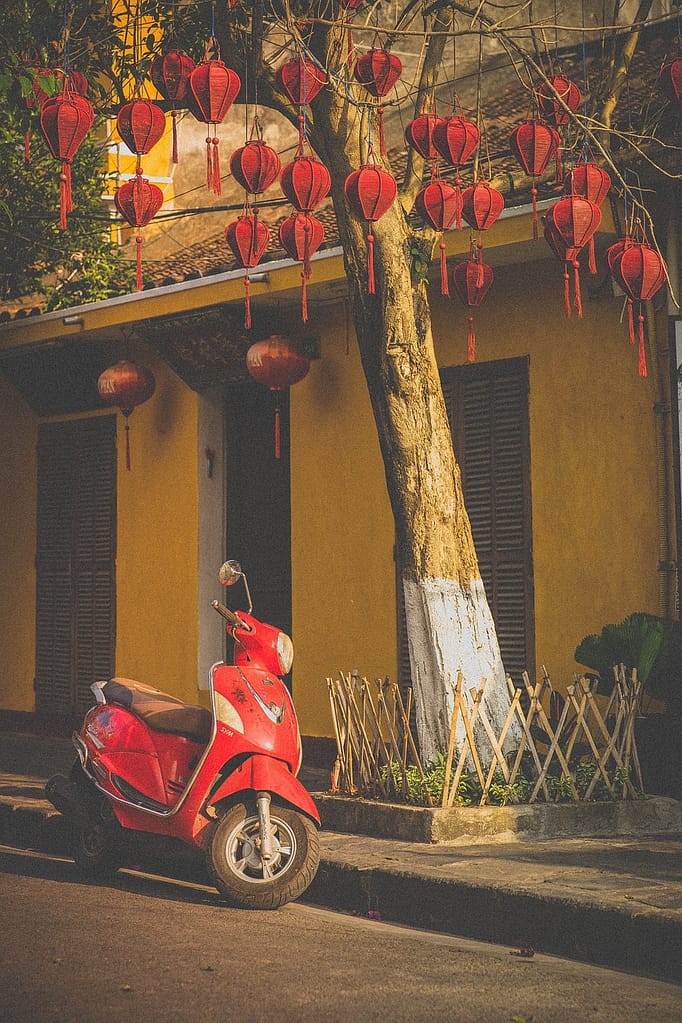
Over the last two decades, Ho Chi Minh City evolved from a modest domestic market into a premier global destination through massive foreign investment, South Korean clinical partnerships, and a strategic shift toward premium medical infrastructure. To understand HCMC’s current status, one must look at the arc of its 20-year evolution. The “Budget Era” (2006-2015) was a time of localization, focusing on domestic needs and the stray backpacker searching for an inexpensive procedure. Then came the “Modernization Era” (2015-2022), fueled by a massive influx of South Korean investment and clinical brilliance. This phase introduced English-speaking staff and the latest surgical techniques. However, the true “Premiumization Shift” (2022–2026) arrived post-pandemic. Affluent patients, both domestic and foreign, began to prioritize safety, privacy, and holistic care over cost. HCMC responded by building a VIP medical infrastructure, shifting the focus from the procedure to the entire patient experience. It is no longer just about the surgical outcome; it is about the grace of the journey itself.
What do international patients actually think about getting “done” in Vietnam?
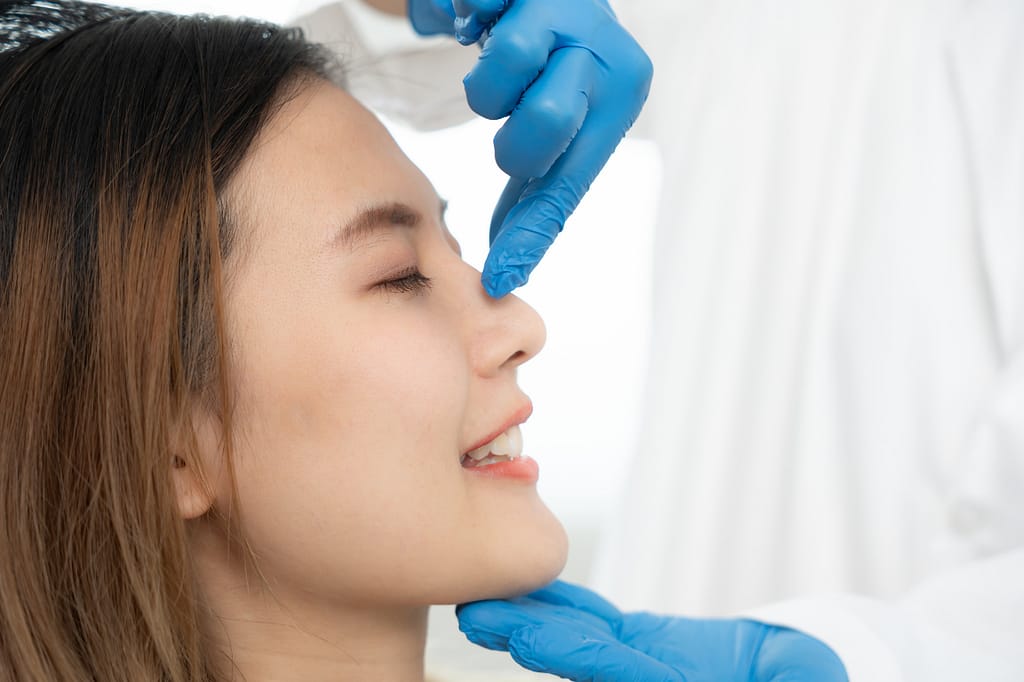
While Western patients often arrive with healthy skepticism, they quickly view HCMC as equal to Beverly Hills or London after experiencing the city’s JCI-accredited facilities and unparalleled 5-star recovery hospitality. The perception of HCMC is a study in shifting viewpoints. For the Western medical tourist—from the USA, Australia, or Europe—there is often a fascinating tension between healthy skepticism and the desire for exotic luxury. Once safely within the care of a top-tier concierge, these patients often find that HCMC’s surgical standards are indistinguishable from Beverly Hills or London, but with an added depth of hospitality that the West has long forgotten. Regionally, the story is different. South Korea no longer views Vietnam as just a consumer market but as a formidable partner and rival. Singaporeans, pragmatists at heart, now see HCMC as a preferred weekend destination, bypassing the skyrocketing costs of their own medical sector for world-class standards just a short flight away. Thailand, the long-standing titan of ASEAN medical tourism, now watches HCMC’s rapid ascent with a wary, competitive eye.
What should I expect from a luxury medical concierge service in Vietnam?
A luxury medical concierge in HCMC manages every aspect of your surgical journey—from vetting internationally board-certified surgeons and fast-tracking medical visas, to arranging private, nurse-led recovery in 5-star hotels or riverside villas. The finest concierge services are the architects of a truly stress-free transformation.
Beyond the clinical vetting, they dissolve the friction of travel entirely: private airport tarmac transfers, bilingual medical escorts who act as your constant advocates, and seamless coordination between every moving part of your journey. The real luxury, however, is found in the recovery. Imagine convalescing in a private suite or a riverside villa, where the menu is curated by a chef focused on anti-inflammatory nutrition and nursing care is private and in-room. It is the transition from “hospital bed” to “wellness retreat.”
Yet, not every concierge delivers at this level. Many offer logistics without genuine care—coordination without compassion. East Bridge Care was built on a different philosophy entirely. As a comprehensive medical, tourism, and concierge service agency, East Bridge Care provides an elite, white-glove experience that covers every dimension of your journey: clinical safety, travel comfort, and the deeply personal attention that true recovery demands. The “East Bridge Standard” ensures that the clinical necessity of surgery never overshadows the human need for care, comfort, and dignity.
What is the future of medical tourism in Ho Chi Minh City?
Under the “HCMC Medical Hub 2030” master plan, the city is integrating AI-driven surgical simulations, VR hospital walkthroughs, and wellness-focused recovery retreats featuring hyperbaric oxygen and IV therapy. The future is already beginning to manifest under the “HCMC Medical Hub 2030” master plan. We are moving into an era of “Wellness-Integrated Recovery,” where surgery is paired with hyperbaric oxygen therapy (HBOT) for rapid healing and specialized lymphatic drainage. Before a patient even boards a plane in Sydney or New York, they can now engage with AI-driven surgical simulations and VR walkthroughs of their hospital suites. This isn’t just about high-tech surgery; it’s about a new model of healthcare that feels less like an intervention and more like a rejuvenating retreat.
Frequently Asked Questions
What is the “White List” for surgeons in Vietnam?
The ‘White List’ is an official registry managed by the Ho Chi Minh City Department of Health. It strictly includes only licensed, vetted surgical centers that passed the 2025–2026 safety crackdown, ensuring you avoid unlicensed ‘spa clinics’
Do I need to speak Vietnamese to navigate this journey?
No. Leading clinics and modern hospitals usually provide dedicated English-speaking coordinators and medical staff. While daily nursing staff may have limited English, your primary medical consultations will be conducted in English. It also worth considering including this service in your personalized concierge plans.
How long should I stay in Vietnam after cosmetic surgery?
For optimal luxury recovery, a timeline of 10-14 days is typical. This allows for initial healing under medical supervision and the gradual transition back to travel.
Can I recover in a 5-star hotel after surgery?
Yes. Luxury concierges specifically partner with hotels like The Reverie or Park Hyatt. These arrangements include private nursing care and specialized medical catering to ensure a seamless transition from the hospital.
How much does a luxury medical concierge cost in Vietnam?
The cost should be viewed as an investment in safety and VIP access. While more expensive than independent travel, the return on investment is found in the absolute mitigation of risk and the elimination of logistical stress.
Is it safe for foreigners to get plastic surgery in Vietnam?
Yes. Beyond the local ‘White List,’ look for facilities with gold-standard Joint Commission International (JCI) accreditation. This ensures the hospital meets the same rigorous clinical safety and hygiene protocols required of top-tier medical centers in the US and Europe. Vietnam’s top-tier hospitals and clinics operate under transparency mandates that are among the strictest in the region. You can further inquire into your doctor’s credentials and qualifications.
You focus on the healing; we’ll handle the rest
As we consider the intersections of beauty, science, and the evolving spirit of a city, the choice of where to undergo a surgical journey becomes an act of self-care.
We invite you to discuss designing your customized, worry-free recovery itinerary, or browse our White List of Vetted Surgeons in Vietnam.
Disclaimer: This article is for informational purposes only and does not constitute legal advice. Always confirm course requirements with your attorney or court clerk before enrolling.