
You’ve read the post-op instructions. You’ve got your compression garment, your arnica tablets, your pineapple juice tips from Reddit. You feel prepared.
And then you come out of anesthesia in a clinic in Ho Chi Minh City, and it hits you that nothing you read quite captured what this actually feels like.
Not because something went wrong. Because nobody told you what “recovering from surgery abroad” actually means in practice — the nursing model that’s completely different from what you’re used to, the food situation nobody mentions, the 72-hour emotional dip that’s as predictable as it is disorienting, and the specific silence that settles in when it’s 11pm, you can’t move very well, and your support system is an 8-hour flight away.This is the guide those articles didn’t write.

The Assumption That Breaks Most People’s Plans
Here is the thing that surprises almost every Western patient traveling to Vietnam for surgery:
Vietnamese hospitals expect you to have family with you.
This isn’t a gap in the healthcare system — it’s a cultural norm deeply embedded in Vietnamese medical practice. In Vietnam, the family caregiver is considered a fundamental part of the recovery equation. Nurses are responsible for clinical tasks: medication, vital signs, wound checks, post-surgical monitoring. The work of daily care — bringing food, helping patients move, washing, providing emotional support through the disorienting post-anesthesia period — that’s considered family work.
In Western hospitals, this distinction doesn’t exist the same way. Nurses in the UK, US, and Australia cover both clinical and daily care functions. Patients traveling from those countries arrive with an expectation about what nursing looks like — and the Vietnamese model is genuinely different.
When you’re traveling with a partner, a sister, a friend — this gap barely registers. Someone is there. The gap is filled.
When you’re traveling alone, the gap is real and consequential.
The patients who have the hardest recoveries abroad aren’t the ones who had complications. They’re the ones who didn’t realize this ahead of time and had no plan for it.
The 72-Hour Window: What’s Actually Happening
The first three days after surgery are the hardest. Not because they’re dangerous — most elective cosmetic procedures have low complication rates with qualified surgeons — but because everything is happening at once.
Hour 0–24: The anesthesia period
General anesthesia takes longer to leave your system than you might expect. The cognitive fog, the disorientation, the exaggerated emotional responses — these are normal effects of the anesthetic, not signs that something is wrong. What this means practically: you are not in a position to make decisions, navigate logistics, or manage your own care during this window. You need someone who can.
Nausea is common. The anti-nausea medications given post-surgery help, but they don’t always eliminate it entirely. Eating is often the last thing you want to do — but hydration is essential for recovery, and having someone who can bring you liquids, broth, and small amounts of food matters more than it sounds.
Hours 24–48: Peak swelling and bruising
This is the window where people get scared, even when everything is completely normal. Facial procedures in particular — rhinoplasty, eye surgery, facelifts — produce swelling and bruising that looks alarming and is, in fact, exactly what’s supposed to happen.
The temptation is to look in the mirror and panic. The reality is that what you’re seeing is the normal inflammatory response to surgical intervention, not a sign of a bad outcome. Having someone with you who can say “this is normal” — ideally someone with clinical knowledge — is genuinely valuable here.
Hours 48–72: The emotional dip
Almost everyone experiences some form of emotional low in this window. Post-anesthesia, post-surgical hormonal shifts, physical discomfort, and the cumulative effect of being far from home converge. It often feels like regret, even when there’s nothing to regret. It often feels like something is wrong, even when everything is fine.
This is well-documented in surgical recovery literature. It passes. But it’s much harder to sit through alone than with someone present.

The Food Problem Nobody Mentions
You’ve had surgery. You’re in a hotel room or recovery apartment in Ho Chi Minh City. You are not supposed to move much for the next several days.
How are you eating?
This question sounds trivial until you’re three days post-op and you realize that:
Your hotel restaurant is four floors down
Food delivery apps in Vietnam operate in Vietnamese
Your post-op instructions include dietary restrictions you need to actually follow
You’re on pain medication that makes you nauseous when you eat the wrong thing
Getting up to answer the door is, on day two, a genuine physical challenge
The standard advice — “just order delivery” — assumes you can easily navigate apps in Vietnamese, communicate specific restrictions to restaurant staff, and physically manage the process of receiving and eating food when you’re impaired. That assumption breaks down fast.
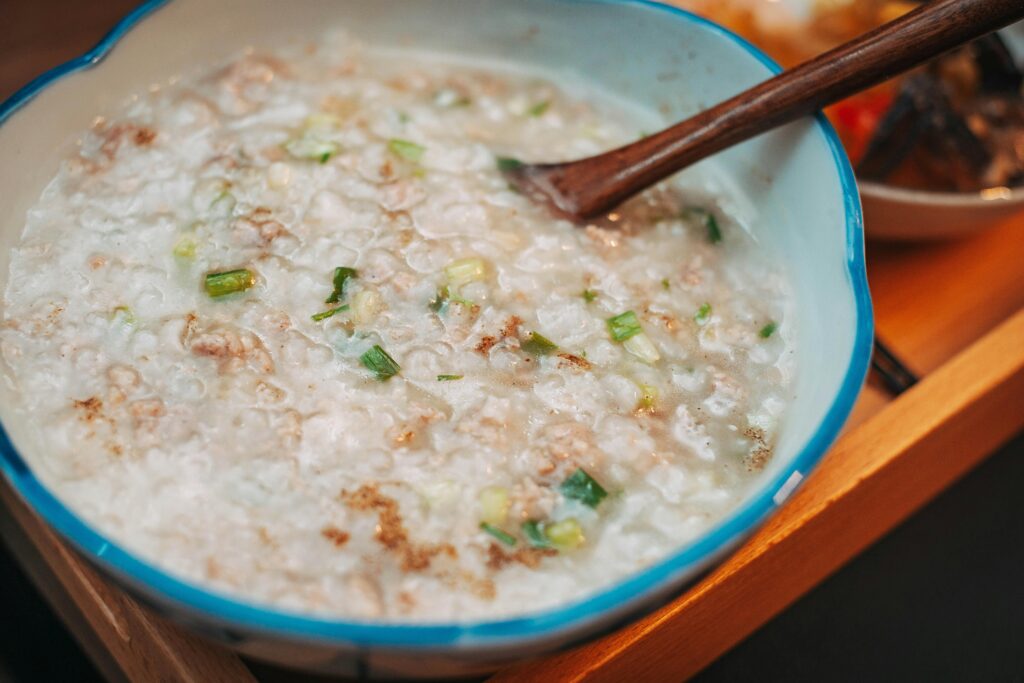
Recovery-appropriate food in Vietnam means: soft textures, low sodium, anti-inflammatory ingredients (think broth, rice congee, fresh fruit, vegetables), nothing greasy. Vietnamese cuisine is genuinely excellent for recovery — pho broth, cháo (rice porridge), fresh fruit. But accessing it when you’re immobile and dealing with a language barrier is a different problem than knowing what to eat.
What to do: Have meals arranged in advance. Not “I’ll figure out the app” — actually arranged. A local contact or concierge who can source and deliver appropriate food during your low-mobility window is not a luxury.
The Nursing Gap in Practice
Let’s be specific about what this looks like day-to-day.
What clinic nurses will do:
Administer medications on schedule
Monitor for complications (wound inspection, vital signs)
Change dressings
Answer clinical questions during clinic hours
What clinic nurses typically will not do:
Help you shower or bathe
Bring you food or water
Sit with you during anxious moments
Monitor you through the night
Contact your hotel or accommodation if needed
Assist with non-clinical daily tasks
What this means if you’re alone:
On day two post-rhinoplasty, you need to shower but can’t fully raise your arms. You need to wash your hair without getting your splint wet. You need to eat but you’re in your hotel room and the food situation isn’t sorted. You need to change your drip pad and you’re not sure if what you’re seeing is normal drainage or not.
These are all solvable situations — with a person. Without a person, each one becomes a small crisis that depletes the energy your body needs for healing.
Independent nursing support — a nurse available in rotating half-day or full-day shifts, depending on your procedure and recovery timeline — bridges exactly this gap. Days one through five, this kind of support is proportionate to what’s actually happening. After day five or six, most patients are significantly more mobile and self-sufficient.


The Sleep and Rest Problem
Rest is not optional in surgical recovery. It is literally how your body heals — cellular repair, inflammatory regulation, immune response. Poor sleep after surgery directly extends recovery time and increases complication risk.
The problem: post-surgical pain and discomfort interrupt sleep. Anxiety interrupts sleep. The unfamiliar environment interrupts sleep. A noisy hotel or street traffic interrupts sleep.
What helps: quiet accommodation, appropriate pain management scheduled around sleep windows, a dark and cool room, comfort measures from someone who knows what they’re doing.
What doesn’t help: a standard hotel room with street noise, pain medication that ran out, a 2am moment of “is this swelling normal” with no one to ask.
Accommodation selection for post-surgical recovery is not the same decision as picking a nice hotel. Proximity to your clinic matters (for follow-up appointments and in case of emergency). Ground floor or elevator access matters. Noise level matters. A room configured for extended rest matters.
What to Eat (And What to Avoid)
This is the practical list most post-op guides don’t include for Vietnam specifically.
Eat:
Cháo (Vietnamese rice congee) — soft, easy to digest, anti-inflammatory base
Pho broth — protein-rich, warm, excellent for hydration
Fresh fruit — pineapple and papaya contain bromelain and papain, both shown to reduce post-surgical swelling
Soft rice dishes
Steamed or braised vegetables
Fresh coconut water — electrolytes, hydration
Yogurt (if tolerated) — probiotic support for gut after antibiotics
Avoid in the first week:
High-sodium foods — increases swelling
Alcohol — interferes with healing and medication
Blood-thinning foods in excess (garlic, ginger, fish oil) — can affect wound healing
Very spicy food — can cause sweating and discomfort
Hard textures if any facial procedure is involved
Carbonated beverages if nausea is present
Vietnamese street food is extraordinary. You will have time to eat it. The first week isn’t that time.
The Emotional Reality: What No One Talks About
Post-surgical emotional vulnerability is real, documented, and predictable. The combination of:
General anesthesia effects on mood regulation
Hormonal shifts triggered by surgical stress
Physical discomfort and limited mobility
Being alone in an unfamiliar environment
The gap between your imagined “after” and the reality of early recovery
…produces a specific psychological state that most patients are not prepared for.
It often presents as doubt: Did I make the right decision? Was this worth it? I look awful. What did I do?
And it’s almost always followed, days later, by a complete reversal of those feelings as swelling resolves and results begin to emerge.
The patients who have the hardest time with this period are the ones who are alone, didn’t expect it, and have no one nearby to say: “This is normal. This is temporary. You’re fine.”
Prepare for this. Tell the person back home who knows your schedule to expect these messages and to respond accordingly. Have a human contact in the city who can check in. Give yourself permission to feel it without catastrophizing it.
The Language Reality at 10pm
The clinics you’re considering almost certainly have English-speaking staff. During business hours, for your consultation and your procedure, communication will be smooth.
The edges are harder.
The overnight nurse may have limited conversational English. The pharmacist filling your prescription at 7pm. The front desk staff at your hotel when you need extra pillows and a specific request at midnight. The taxi driver who needs to know your clinic address when you’re foggy from pain medication.
None of these situations is a medical emergency. But they are stress-producing during a period when stress actively impedes healing. Cortisol — the stress hormone — is directly antagonistic to the inflammatory resolution process that drives surgical recovery. This isn’t an abstraction. Stress, in a measurable biochemical sense, slows healing.
Having a local contact who speaks Vietnamese and can communicate on your behalf — for these small daily frictions, not just emergencies — is genuinely valuable.

The Recovery Timeline: Procedure by Procedure
Recovery timelines vary significantly by procedure. Here’s an honest range for the most common:
Rhinoplasty: Days 1–3 most uncomfortable; splint typically removed at day 7–10; socially presentable at 2–3 weeks; final results at 12 months. Most swelling resolved by 3 months.
Breast augmentation: Back to light activity by day 3–5; full activity at 4–6 weeks; initial discomfort significant but manageable with medication; sleeping position matters (on your back, elevated).
Liposuction / body contouring: Compression garments required for several weeks; bruising significant; early mobility actually encouraged (gentle walking); compression and lymphatic massage important.
Facelift / eyelid surgery: Most visible swelling and bruising in the first week; significant presentability improvement by weeks 2–3; socially undetectable at 4–6 weeks.
Hair transplant: Donor and recipient sites require careful management for the first 10 days; no strenuous activity; sleeping position important; grafts are fragile for the first 14 days.
Dental (veneers/implants): Dietary restrictions post-procedure; sensitivity common; shorter recovery window than surgical procedures.
In every case: the first three to five days are when support is most valuable. After that window, independence returns quickly.
The Practical Recovery Checklist
Accommodation
[ ] Confirmed within 10–15 minutes of your clinic
[ ] Elevator access or ground floor
[ ] Quiet room, blackout curtains
[ ] Easy bathroom access (grab bars if needed for abdominal procedures)
[ ] Climate control (heat exacerbates swelling)
[ ] Refrigerator for medications and fresh food
Nutrition
[ ] Meals arranged for days 1–5 (not “I’ll figure out delivery”)
[ ] Groceries stocked before surgery date: coconut water, fruit, congee, broth
[ ] Dietary restrictions documented and shared with meal provider
Clinical support
[ ] Nursing shifts confirmed for days 1–5 minimum
[ ] Post-op instructions in hand, translated to English
[ ] Medications list confirmed and sourced before procedure
[ ] Emergency contact: a person, not a main clinic line
[ ] Follow-up appointment schedule confirmed
Practical
[ ] Recovery supplies ready before you arrive: gauze, saline spray, arnica gel, scar care products per surgeon’s recommendation
[ ] Phone charger, entertainment downloaded (no screens required post-eye surgery)
[ ] Loose, front-opening clothing (nothing over the head if facial procedure)
[ ] Neck pillow if rhinoplasty
Emotional
[ ] Someone at home knows your full schedule
[ ] Check-in plan established
[ ] Realistic expectations for the first 72 hours
[ ] Permission given yourself to ask for help
The bottom line
Recovering from surgery abroad is manageable. Thousands of people do it every year — including solo travelers — and most of them are fine. The savings are real, the surgeons are skilled, and the destination is extraordinary.
What separates the patients who look back on the experience positively from the ones who found it harder than expected is almost never the surgical outcome. It’s the gap between what they prepared for and what recovery actually required.
The nursing gap is real. The food situation is real. The 72-hour emotional window is real. The 2am silence is real.
None of it is unsolvable. But “I’ll figure it out when I get there” is not a plan that holds up at hour 36 post-op when you’re alone, uncomfortable, and not sure if what you’re experiencing is normal.
Plan for the reality. The experience, done right, is genuinely transformative.
Frequently Asked Questions
How do I manage the language barrier with overnight hospital staff?
While your surgeon likely speaks fluent English, overnight nursing staff or hotel night porters may have limited proficiency. To prevent stress, use a concierge service that provides a 24/7 bilingual contact. This ensures that even at 2 AM, your needs—from extra pillows to medication questions—are clearly understood and met.
Can I order standard food delivery (Grab/Shopee) while recovering?
It’s not recommended. Standard delivery apps don’t allow for easy communication of post-op dietary restrictions (low sodium, anti-inflammatory). Recovery in Vietnam requires specific foods like cháo (congee) or phở broth. A dedicated recovery service will curate and deliver these specific meals so you don’t have to navigate apps while medicated.
What is the “72-Hour Emotional Dip” after surgery abroad?
Most patients experience a significant emotional low between 48 and 72 hours post-op. This is a documented reaction to the lingering effects of anesthesia, physical discomfort, and being far from home. Knowing this is a temporary, physiological response—rather than a sign of “buyer’s remorse”—is key to a successful recovery.
Is it safe to recover in a Ho Chi Minh City hotel alone?
While HCMC is safe, recovering alone after major surgery is physically and emotionally risky. Post-anesthesia disorientation, limited mobility, and language barriers in hotels can make simple tasks like ordering recovery-safe food a crisis. It is highly recommended to have a local medical advocate or concierge who can navigate these logistics on your behalf.
What is the recommended recovery time before flying after surgery?
For major procedures like a facelift or tummy tuck in Vietnam, a 10-14 day stay is the clinical gold standard. This window allows for essential follow-up appointments and reduces the risk of Deep Vein Thrombosis (DVT) during long-haul flights. Most comprehensive concierge provider arrange for private nursing care in premium accommodations like to bridge this critical window.
Why do I need a private nurse if the hospital already has staff?
In Vietnam, hospital nurses focus strictly on clinical tasks like vitals and wound care. They generally do not provide “bedside care” such as helping you bathe, assisting with meals, or monitoring your comfort levels overnight. A private nurse or concierge bridges this “nursing gap,” ensuring you aren’t left alone during the critical first 72 hours.
What are the legal safety standards for plastic surgery in Vietnam?
All legitimate surgical centers in Ho Chi Minh City must be licensed by the Department of Health and appear on the official “White List.” In 2026, Google prioritizes “Entity-based” trust, so verifying that your clinic has JCI Accreditation and a valid National Provider Identifier (NPI) is the best way to ensure international safety standards are met.
Disclaimer: This article is for informational purposes only and does not constitute medical advice. Always consult a qualified medical professional before undergoing any surgical procedure.
East Bridge Care provides independent concierge support for international patients recovering from surgery in Vietnam — nursing coordination, accommodation, meals, translation, and 24-hour contact. We work alongside your surgical team, not for them.